Fortezza da Basso: guide to Florence’s exhibition centre and 2027 trade shows
How Florence’s exhibition centre works: how to get there, stand-building rules and the 2027 trade shows, from Pitti to Taste.
Reading time: about 14 minutes · Updated in November 2026
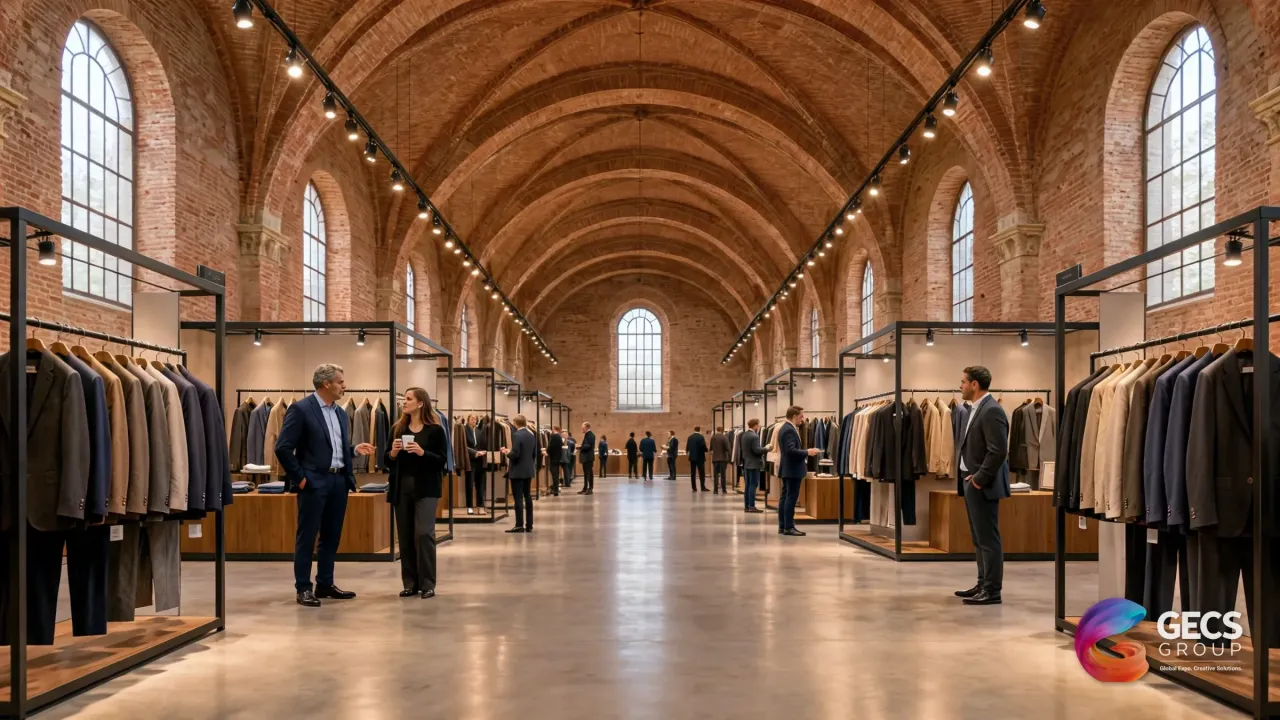
The Fortezza da Basso, at Viale Filippo Strozzi 1, is Florence’s exhibition centre: a sixteenth-century Medici fortress in the city centre, turned into a venue for trade shows and congresses. It hosts the Pitti Immagine shows (Uomo, Bimbo, Filati), Taste, Danzainfiera and many other events. This page is the guide to the venue: how it is laid out, how to get there, which trade shows it hosts in 2027 and which stand works. For the big picture, see the guide to trade shows in Italy; for another venue in the Centre-North, BolognaFiere.
🏛️ What the Fortezza da Basso is
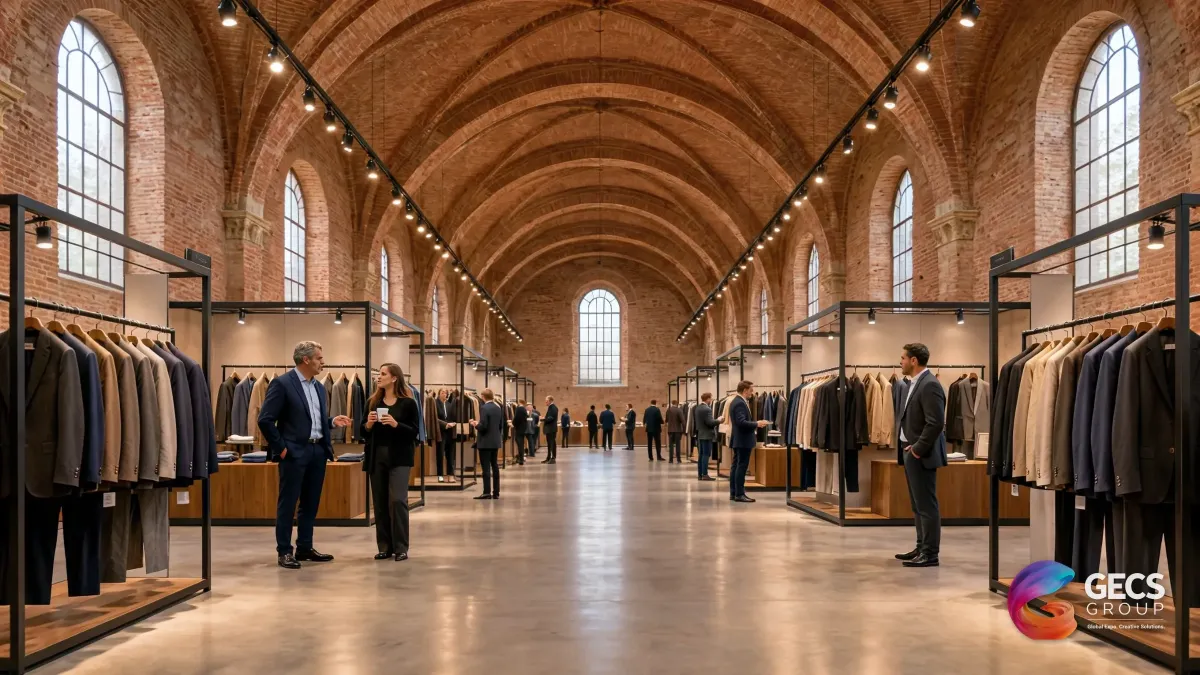
The Fortezza was designed by Antonio da Sangallo the Younger in the first half of the sixteenth century on commission from Alessandro de’ Medici. Today it is both a monument of the city and an exhibition venue: it has a total area of over 80,000 m², about 55,000 of them covered, with modern pavilions such as the Spadolini and the Cavaniglia next to restored historic spaces.
Its particularity is the setting: you exhibit inside historic walls, 250 metres from Santa Maria Novella station. The calendar is dominated by fashion and taste, with Pitti Immagine, but there are also dance, crafts and other shows. Anyone building a stand here works in a beautiful, but restricted, place.
📌 In brief
The Fortezza da Basso has over 80,000 m² (about 55,000 covered) in the centre of Florence, 250 metres from Santa Maria Novella station. The Spadolini Pavilion offers 25,620 m² on three levels. 2027 shows indicated by the organisers: Pitti Uomo 12–15 January and 15–18 June, Taste 6–8 February, Danzainfiera 19–21 February.
📋 Fact sheet
| Item | Detail |
|---|---|
| Address | Viale Filippo Strozzi 1, 50129 Florence |
| Area | over 80,000 m², about 55,000 of them covered |
| Spadolini Pavilion | 25,620 m² on three levels |
| Cavaniglia Pavilion | about 3,300 m², height 3.9 m |
| Historic spaces | Monumentale, Teatrino Lorenese, Polveriera, Arsenale |
| Station | Firenze Santa Maria Novella, about 250 metres away |
| Motorway | A1, about 4 km away (Firenze Nord or Sud exit); Firenze Ovest recommended |
| Limited traffic zone (ZTL) | the Fortezza is not in the ZTL but is right next to it |
| Parking | paid parking next door; Pitti reserves the “San Donato” area |
🚦 How to get to the Fortezza da Basso
By car
From the A1 the Firenze Ovest exit is recommended, then continue towards the centre along Viale Guidoni, Via Forlanini, Viale Redi, Viale Belfiore, Viale Fratelli Rosselli and Viale Strozzi. The Fortezza is not in the ZTL but is close to it: the ZTL hours (Monday to Friday 7:30–20:00, Saturday 7:30–16:00) must be respected. The adjacent car park is paid.By train
The main station, Santa Maria Novella, is right in the centre about 250 metres from the Fortezza: you can walk there in a few minutes. It is the easiest way for visitors, including from Bologna, Milan and Rome.By air
Florence airport serves the city. For those arriving from far away, Pisa is also useful, continuing by train to Santa Maria Novella. For the exact dates of connections it is best to check the updated timetables.🧭 How the venue is organised
The venue is divided into modern pavilions and historic spaces. The Spadolini has a basement, a ground floor and a penthouse level, with modular areas. The Cavaniglia incorporates a stretch of the walls, with a wave-shaped roof. The Cavaniglia Pavilion is the subject of a reconstruction project: availability must be checked with the organiser.
Vehicle access is limited by the walls and by the historic centre, and loading and unloading require precise timing. Anyone building a stand must know in advance the route, the heights of the entrances and the assigned slots: inside a fortress, surprises are expensive.
🗓️ 2027 trade shows at the Fortezza da Basso
The dates below are those published by the organisers on the official websites.
| Trade show | Dates | Sector and notes |
|---|---|---|
| Pitti Immagine Uomo | 12–15 January and 15–18 June 2027 | Menswear; 111th edition in January |
| Pitti Immagine Bimbo | 20–21 January and 23–24 June 2027 | Childrenswear |
| Pitti Immagine Filati | 20–22 January and 23–25 June 2027 | Yarns; the 100th edition in January |
| Taste | 6–8 February 2027 | Taste and food, 20th edition |
| Danzainfiera | 19–21 February 2027 | Dance |
| Testo | 19–21 February 2027 | Publishing |
| Fragranze | 10–12 September 2027 | Artistic perfumery |

🌍 Why Florence matters in the Italian trade-show system
Pitti Immagine is the world reference for menswear, and brings buyers and journalists from all over the world to Florence. For a company in the sector, being there means taking great care over the look of the stand.
For stand builders, Florence is precision work: historic spaces, narrow access and an audience that notices every detail. Here the stand is often a showroom rather than a counter.
📜 Rules and organisation of the build
Every event has its own technical regulations and its own services portal. There are four points to clarify before signing off a project.
- Pavilion and heights. The Spadolini has heights of about 3.2–3.4 m and the Cavaniglia 3.9 m: height limits must be factored into the design.
- Technical connections. Power, network and water are ordered within the organiser’s deadlines: after the deadline they cost more or do not arrive.
- Materials. Fire-reaction certifications are required, and finishes must withstand days of public use.
- Loading and unloading. Vehicle access is assigned in advance and the time slots must be respected.
🏗️ How a stand is built in Florence
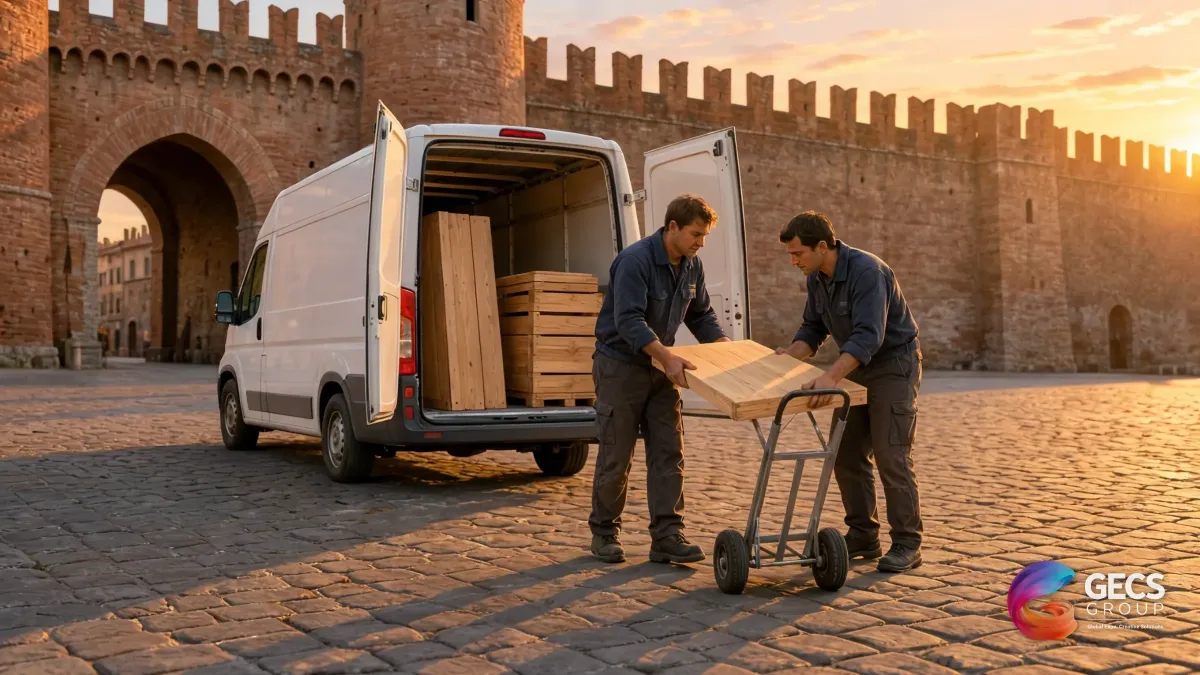
From Padua to Florence it is about 260 km of motorway: logistics must be planned, with the load prepared the day before and the packing perfect, because a mistake cannot be fixed on site.
- Survey and design. Floor plan, dimensions and connection points.
- Production in Padua. Structure, counters, walls and graphics are made and dry-assembled in the workshop.
- Numbered loading. Each package has a number and a place in the vehicle, in reverse order of assembly.
- Transport. Early departure and arrival in the assigned slot.
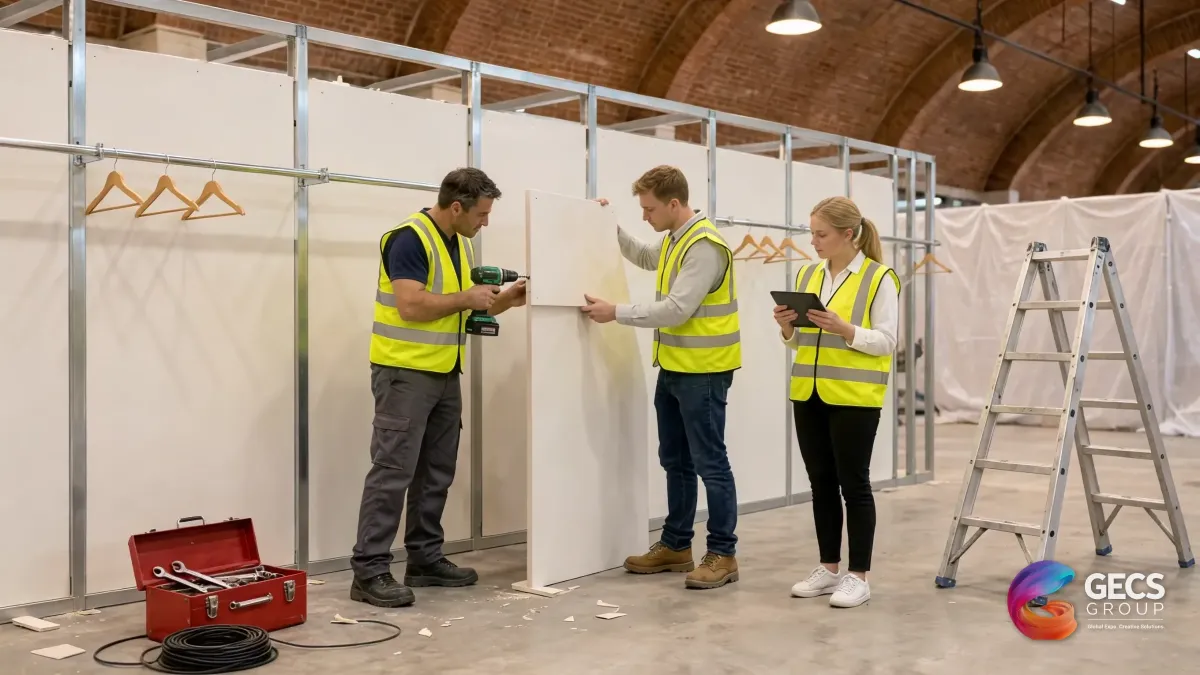
- Assembly. An experienced crew with platform and tools.
- Connections and checks. Power, lights and the electrical panel verified before inspection.
- Dismantling. When the show ends, the structure returns to the workshop for reuse.
🎯 Which stand works at the Fortezza da Basso
For fashion and Pitti
The stand is a showroom: clean walls, careful lighting, well-designed clothes rails and shelves, a corner for appointments. Fine materials and perfect finishes matter, because buyers touch every surface.For taste and food
For Taste you need tasting counters, washable surfaces, water connections and special attention to hygiene. Open stands work best, with a route that invites tasting.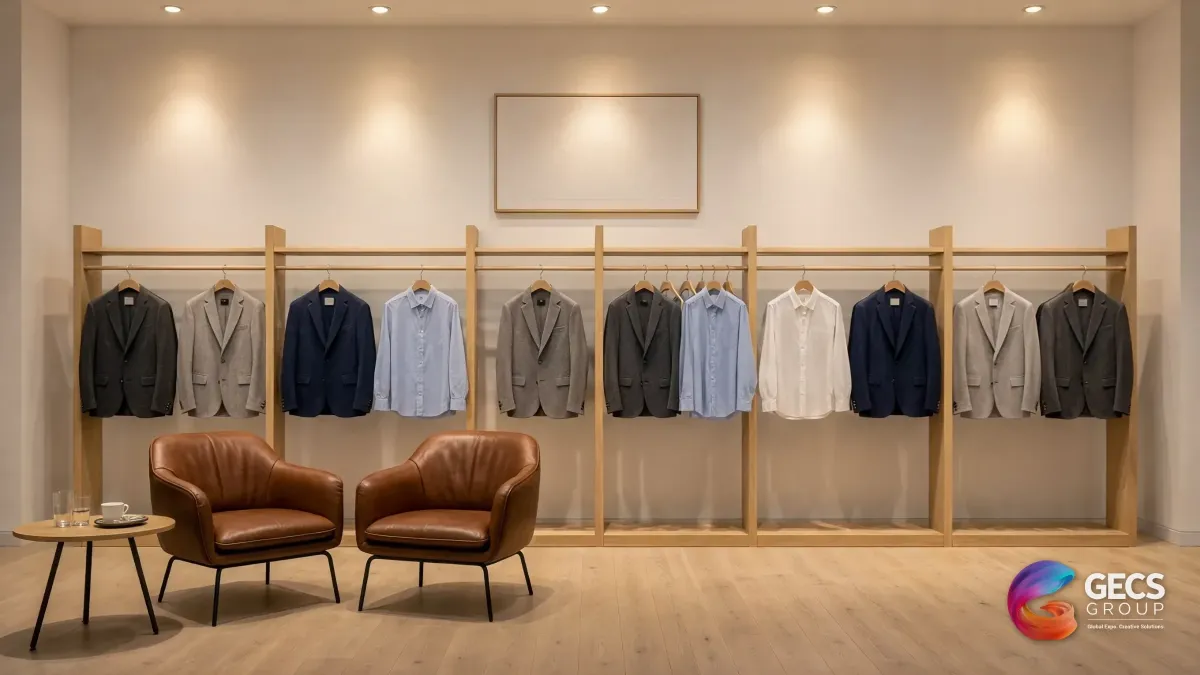
For dance and events
For Danzainfiera, colourful and sturdy stands work, designed for a young audience that tries, buys and takes photos. With limited heights, the design has to play on width.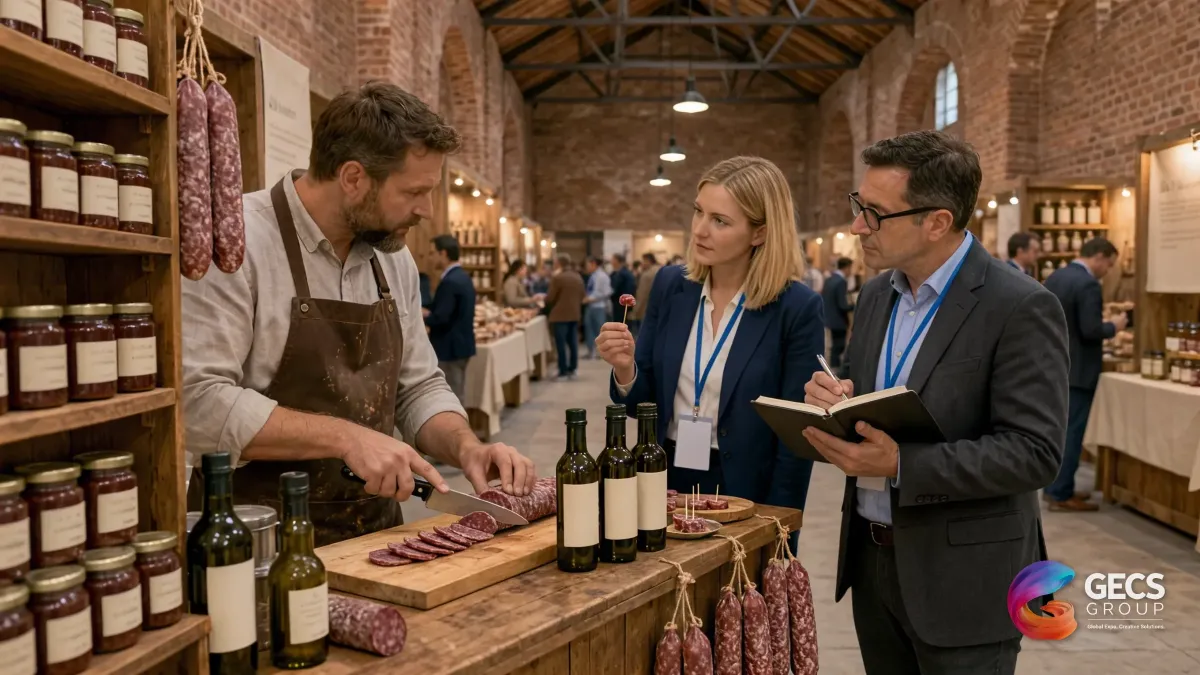
💶 Budget
The cost of a stand in Florence is made up of area, design, structure, technical services (power, water, network, cleaning), logistics and travel. The distance from Padua weighs on transport and on the crew’s travel. Ask for quotes with the same items so that you can compare them. To start, the stand prices give a reference.
✅ Checklist for exhibitors
- Check the dates on the event’s website.
- Book the area and request the floor plan, heights and connection points.
- Read the event’s technical regulations.
- Check the material certifications.
- Order power, network and services on time.
- Book vehicle access and time slot.
- Check the ZTL hours and vehicle access in advance.
- Plan transport from Padua with a safety margin.
- Prepare an assembly crew with clear roles.
- Plan dismantling, collection of empties and reuse of the structure.
🔗 Related pages
- Trade shows in Italy 2027, the guide to the whole country
- BolognaFiere, Bologna’s exhibition centre
- Fiera Milano Rho, Milan’s exhibition centre
- Trade show calendar, to plan the year
- Stand prices, to set the budget
❓ Frequently asked questions about the Fortezza da Basso
1Where is the Fortezza da Basso?
At Viale Filippo Strozzi 1, in the centre of Florence.
2How big is the venue?
Over 80,000 m², about 55,000 of them covered.
3When is Pitti Uomo 2027?
From 12 to 15 January and from 15 to 18 June 2027.
4When is Taste 2027?
From 6 to 8 February 2027.
5How do I get there by train?
To Santa Maria Novella station, about 250 metres from the Fortezza.
6Is the Fortezza in the ZTL?
No, but it is very close: the ZTL hours must be respected.
7How big is the Spadolini?
The Spadolini Pavilion offers 25,620 m² on three levels.
8Do you also build stands in Florence?
Yes: we design and produce in Padua and assemble at the Fortezza da Basso.
9When should I order the stand?
For Pitti at least 3–4 months ahead: finishes and transport have fixed deadlines.
✅ The result: a stand ready for day one
Choosing the trade show is easy; making it work is a craft. If you have a date in Florence, write to us: we will tell you what is needed, how long it takes and at what budget.
Data collected from the official websites of Firenze Fiera, Pitti Immagine and the organisers, November 2026. Always check the updated calendar before booking.
Do you have a trade show in Florence on your calendar?
Tell us the show, the size and the budget: we design, produce in Padua and assemble at the Fortezza da Basso. A clear quote, broken down by item.
Have a project?
Tell us about your idea — our team will get in touch and help bring it to life.